
Get Tree Canopy Thinning in Lees Summit, MO
Tree Canopy Thinning services help property owners in Lees Summit, MO, and nearby areas improve safety, enhance landscape visibility, and reduce overgrown branches with professional pruning.
Tree canopy thinning services are often sought by property owners in Lees Summit, MO to improve the overall health and appearance of their trees. Carefully reducing dense or overgrown canopies can enhance sunlight penetration, which benefits underlying plants and grass, while also allowing better airflow to reduce the risk of disease. This maintenance work can contribute to a more inviting landscape, increasing curb appeal and making outdoor spaces more enjoyable for residents and visitors alike.
In addition to aesthetic improvements, canopy thinning can support safety and functionality on the property. Removing excessive or weak branches minimizes the chance of falling limbs during storms, helping to protect people and property. It can also make walkways, driveways, and outdoor living areas more accessible. Property owners often consider these services to reduce ongoing maintenance needs and ensure the durability of their trees, leading to a safer and more attractive environment in Lees Summit, MO.
- Tree Canopy Thinning Services - needed when overgrown trees obstruct views or sunlight in residential neighborhoods.
- Tree Canopy Thinning Services - suitable for reducing wind resistance and minimizing storm damage risks in urban areas.
- Tree Canopy Thinning Services - used to improve air circulation and reduce disease risk in densely planted landscapes.
- Tree Canopy Thinning Services - recommended when trees become too dense, hindering growth and health of underlying plants.
- Tree Canopy Thinning Services - appropriate for managing tree size and structure in parks and public spaces near Lees Summit, MO.
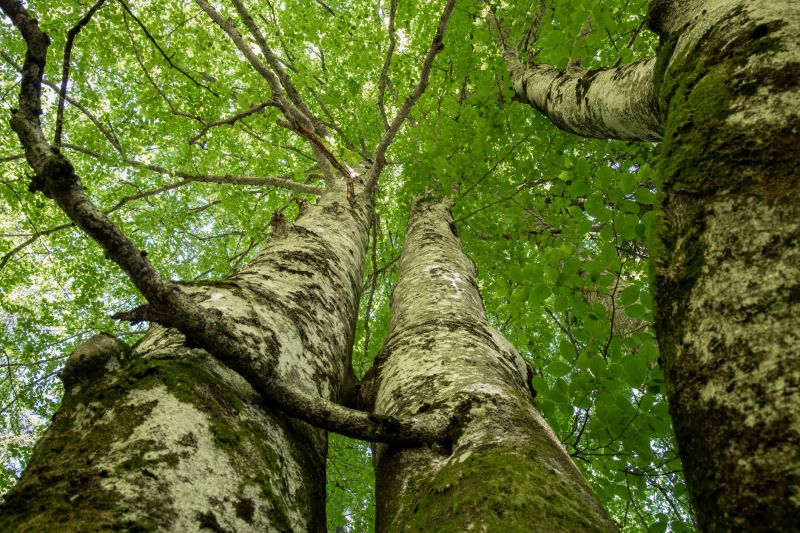
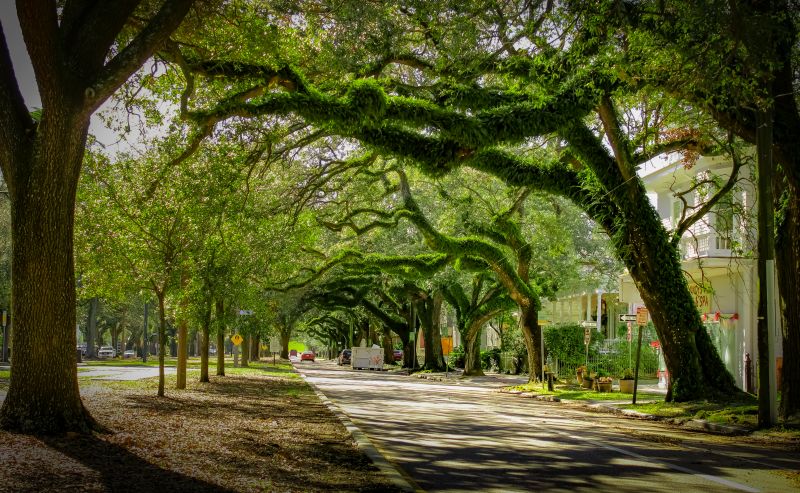
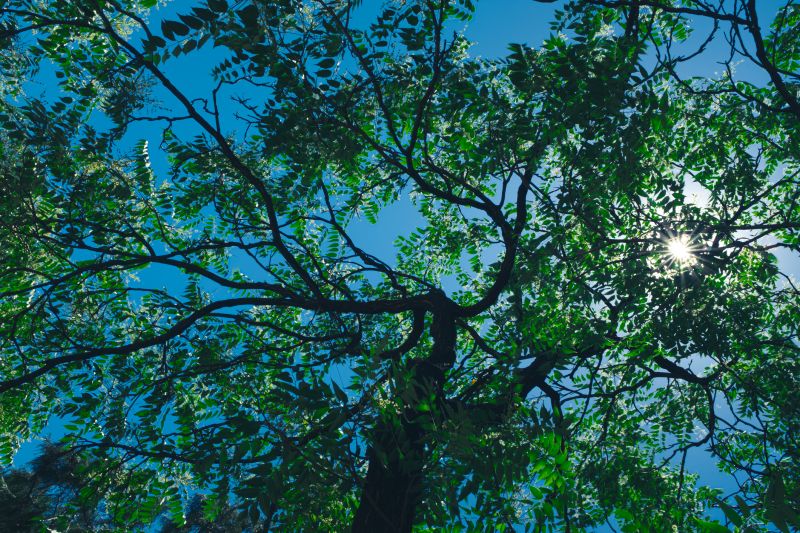
Tree Canopy Thinning Services
Tree canopy thinning involves selectively removing branches and foliage from mature trees to improve their overall health and appearance. This process helps reduce excessive leaf density, allowing more sunlight to reach the tree’s interior and the surrounding landscape. Thinning can also enhance airflow through the canopy, which can decrease the risk of disease and pest infestations. Professionals use specialized techniques to ensure that the tree’s structural integrity remains intact while achieving the desired aesthetic and health benefits.
This service addresses several common problems associated with overgrown or dense tree canopies. Excessive foliage can lead to poor air circulation, increased susceptibility to disease, and difficulty in maintaining the tree’s overall stability. Additionally, a thick canopy may obstruct views, block sunlight from reaching lawns or gardens, and pose safety concerns if branches become weak or prone to falling. Thinning helps mitigate these issues by reducing weight and density, promoting healthier growth, and decreasing the likelihood of hazardous branch failure.
Properties that typically utilize tree canopy thinning services include residential yards, commercial properties, parks, and public spaces. Homes with large, mature trees often seek this service to maintain safety and improve the visual appeal of their landscapes. Commercial properties, especially those with extensive tree-lined areas, may use thinning to ensure safety for visitors and employees while enhancing the overall aesthetic. Public parks and community spaces also benefit from canopy thinning to manage tree health and ensure safe, accessible outdoor environments.
Engaging with local tree care professionals for canopy thinning services can help property owners maintain healthy, attractive landscapes. These specialists assess the specific needs of each tree, considering factors such as species, size, and location, to determine the appropriate amount of thinning. Properly executed thinning can extend the lifespan of trees, improve their structural stability, and contribute to a safer, more inviting outdoor environment. Contacting experienced service providers is a key step toward achieving these landscape management goals.
The overview below groups typical Tree Canopy Thinning projects into broad ranges so you can see how smaller, mid-sized, and larger jobs often compare in Lees Summit, MO.
In many markets, a large share of routine jobs stays in the lower and middle ranges, while only a smaller percentage of projects moves into the highest bands when the work is more complex or site conditions are harder than average.
Tree Canopy Thinning Costs - The typical cost for canopy thinning services ranges from $200 to $1,000 per tree, depending on size and complexity. Larger or more intricate jobs tend to be on the higher end of the spectrum. Local service providers can provide specific estimates based on individual tree conditions.
Service Fees - Many providers charge between $75 and $150 per hour for canopy thinning, with total costs varying based on the number of trees and extent of work needed. Some projects may require additional cleanup or equipment fees, which can influence the overall price. Contact local pros for detailed quotes tailored to specific needs.
Project-Based Pricing - For complete canopy thinning of multiple trees, prices often range from $500 to $3,000, depending on the scope and tree sizes involved. Larger properties or trees with dense canopies tend to increase the cost. Local contractors can offer estimates after assessing the site.
Additional Costs - Extra charges may apply for special equipment, hazardous tree removal, or difficult access, adding $100 to $500 or more to the total. These factors can influence the final cost and should be discussed with local service providers during consultation. Cost estimates are typically customized for each project.
Actual totals will depend on details like access to the work area, the scope of the project, and the materials selected, so use these as general starting points rather than exact figures.
Tree Canopy Thinning services involve selectively reducing the density of tree foliage to improve sunlight penetration and air circulation. Local professionals can assess and implement thinning strategies to promote healthier tree growth and landscape aesthetics.
Selective Tree Removal is related as it often complements canopy thinning by removing specific branches or trees to achieve desired light and space conditions. Experienced service providers can determine the appropriate approach for each landscape.
Pruning and Crown Reduction are connected services that focus on trimming branches to control size and shape, which can be part of a canopy thinning plan to maintain tree health and safety.
Urban Tree Management encompasses canopy thinning as a technique to manage tree growth in confined or developed areas, ensuring safety and compliance with local regulations.
Landscape Enhancement projects frequently include canopy thinning to improve visibility, light levels, and overall landscape design. Local arborists can customize thinning services to meet specific aesthetic goals.
Storm Damage Prevention efforts may involve canopy thinning to reduce wind resistance and minimize the risk of falling branches during storms. Service providers can evaluate trees for such safety measures.
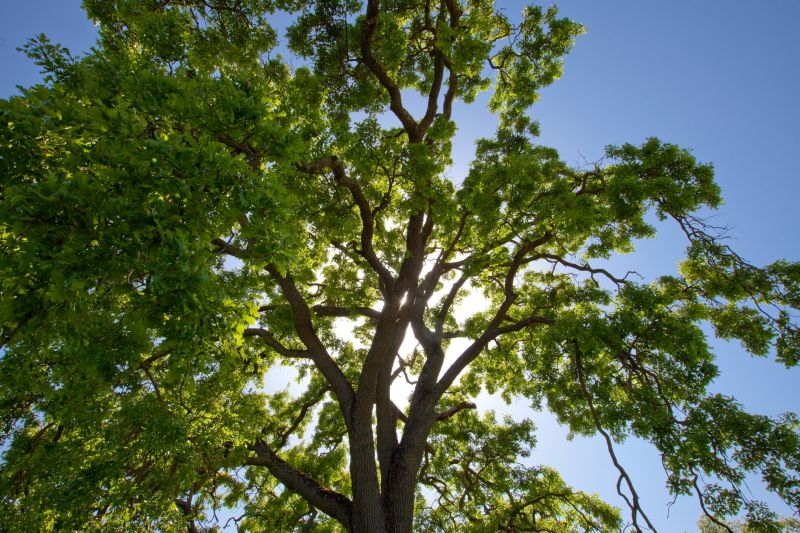
When selecting a professional for Tree Canopy Thinning services, it is important to consider their experience in managing similar projects. Homeowners should look for local providers who have a track record of working on trees within their specific area, as this indicates familiarity with regional species, soil conditions, and local regulations. Clear communication about the scope of work, including written expectations and detailed plans, can help ensure that both parties are aligned on project goals and procedures. Reputable references or reviews from previous clients can provide insight into a contractor’s reliability and quality of work, helping homeowners make informed decisions.
Evaluating local pros for Tree Canopy Thinning also involves assessing their reputation within the community. Homeowners may want to seek out providers who are well-regarded for their professionalism, attention to detail, and ability to deliver consistent results. It’s beneficial to inquire about references or testimonials from past clients to verify the provider’s track record. Additionally, good communication throughout the process-such as responsiveness to questions and clarity about services-can contribute to a smoother experience and help ensure that project expectations are met.
Since this platform connects homeowners with local service providers rather than performing the work directly, it is essential to review each pros’ credentials independently. Homeowners should compare multiple options based on their experience, reputation, and communication style. By doing so, they can identify the professionals who best match their needs for Tree Canopy Thinning services. This approach allows for choosing a qualified local provider who can deliver quality results while maintaining transparent and effective communication throughout the project.
Property owners in Lees Summit, MO use Tree Canopy Thinning services for practical projects around their homes and businesses. The sections below highlight everyday jobs and straightforward project options.
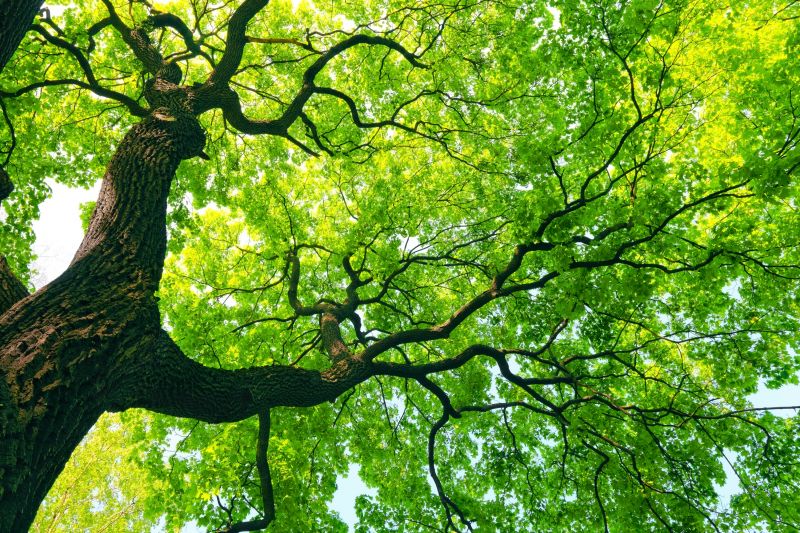
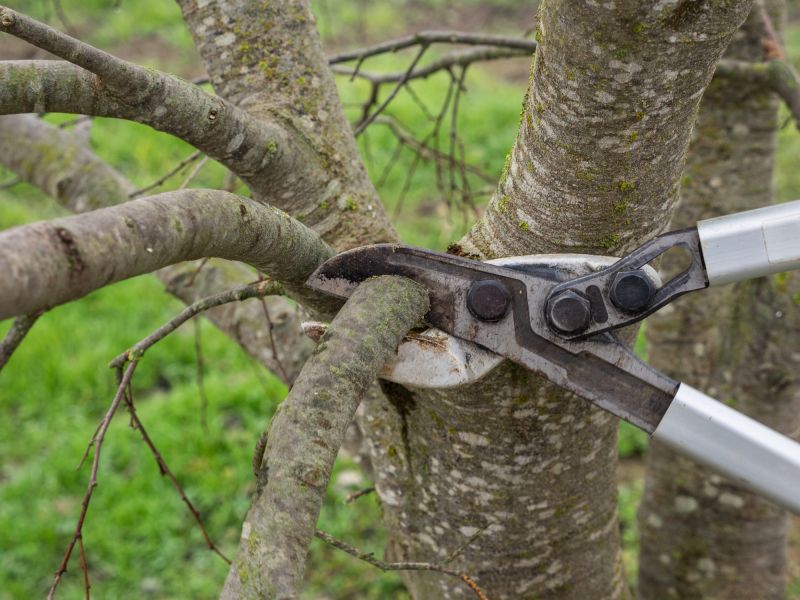
Tree canopy thinning services are often sought by property owners in Lees Summit, MO, who notice overgrown or dense branches that may be obstructing views, blocking sunlight, or interfering with structures. Removing excess branches can help improve air circulation around trees, reduce the risk of limb failure during storms, and promote healthier growth. Local service providers can assess trees to determine the appropriate thinning approach, ensuring that the remaining canopy remains healthy and aesthetically pleasing.
Homeowners may also consider canopy thinning to address safety concerns, such as preventing branches from hanging too low over walkways or driveways. Additionally, thinning can help manage tree size in confined spaces or near utility lines, reducing potential hazards. Connecting with experienced local contractors can provide guidance on the best techniques to maintain tree health while meeting property-specific needs.
What is tree canopy thinning? Tree canopy thinning involves selectively removing branches to reduce the density of a tree's foliage, improving air circulation and light penetration.
Why consider tree canopy thinning? Thinning can help maintain tree health, reduce the risk of storm damage, and improve the overall appearance of trees in residential or commercial landscapes.
How do professionals perform canopy thinning? Local tree service providers evaluate each tree's structure and health before carefully pruning to achieve desired thinning while preserving the tree's stability.
Is tree canopy thinning suitable for all tree types? Not all trees benefit from thinning; professionals assess the species and condition to determine if thinning is appropriate for specific trees.
How can I find local tree canopy thinning services? Contacting local arborists or tree care companies can connect property owners with experienced professionals in the area for canopy thinning services.
Tree Canopy Thinning Services
Tree Health Optimization - Professionals can assess and selectively thin tree canopies to promote healthier growth and reduce the risk of storm damage.
Storm Damage Prevention - Thinning services help decrease wind resistance, minimizing the likelihood of branch breakage during severe weather.
Improved Sunlight Penetration - Proper canopy thinning allows more sunlight to reach the ground, benefiting underlying plants and landscape health.
Risk Management for Overgrown Trees - Local experts can identify and safely reduce excessive canopy density to prevent potential hazards.
Considering Tree Canopy Thinning for a property in Lees Summit, MO? The sections above highlight common project types, practical options, and details that often shape the scope of work.
When you are ready, use the quote form to share a few details about your project. Local pros can review the basics and respond with options that match what you have in mind.